The Summer Solstice

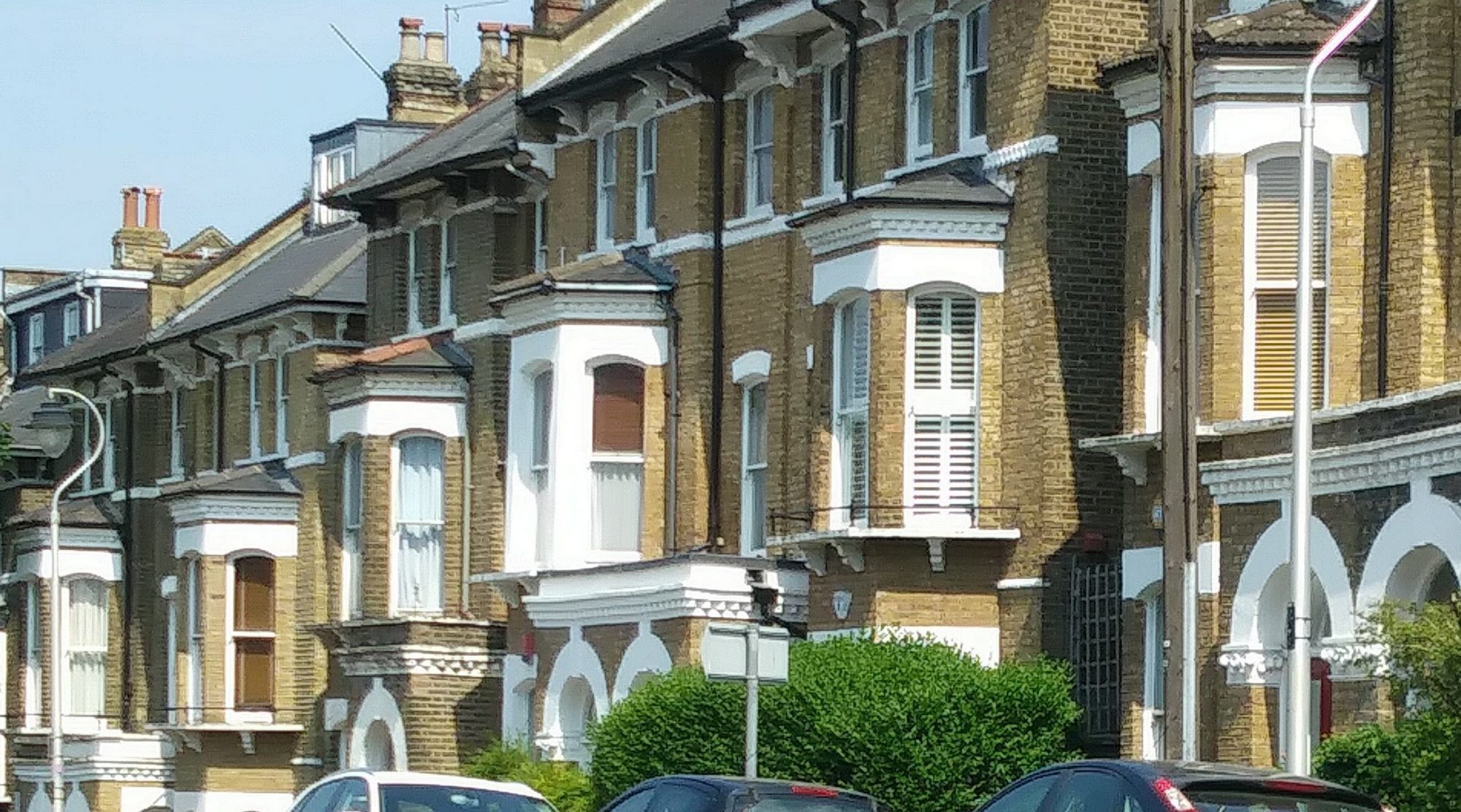
Image of Stonehenge
Image by Pete Linforth from Pixabay

Sunday 21 June is the longest day of the year in the Northern Hemisphere, known as the summer solstice.

Astronomically, this is the day when the sun gets the highest and most northerly in the sky.

Above the Arctic Circle, the sun will be visible for twenty-four hours – it will not get dark at all.

For some people it signals the start of summer, for some people it is known as Midsummer. At the summer solstice, the sun rises over the Heel Stone at Stonehenge if you are standing in the centre.

Many people will celebrate it in some way with a party, etc. With the FIFA World Cup on at the moment, there might be even more of a chance to celebrate.

So feel free to celebrate the longest day of the year, in whatever way you like.
Solar Panels at the British Library

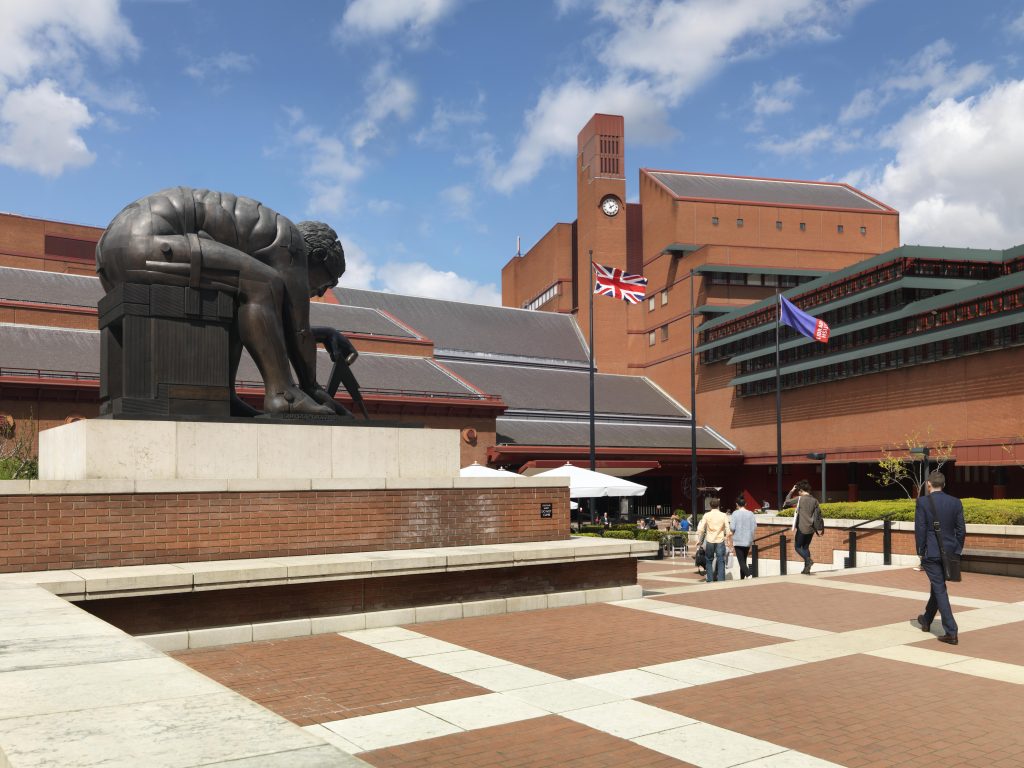
View of the plaza outside the British Library at St Pancras.
Image courtesy of the British Library

The British Library has installed solar panels on its roof, which went live last year.

The panels are a mixture of solar hot water, and some solar electricity. The installation was especially tricky because the Library building is Grade 1 listed (the highest level), and the new solar panels weren’t allowed to be seen from the street.

In the past 12 months, they have generated 186 MWh of heat, and 14.8 MWh of electrical energy.

The British Library needs a lot of heat to generate steam which allows them to closely control the humidity levels inside, which is required to help preserve the historical documents that they store.

The British Library is aiming to be Net Zero carbon emissions by 2050.