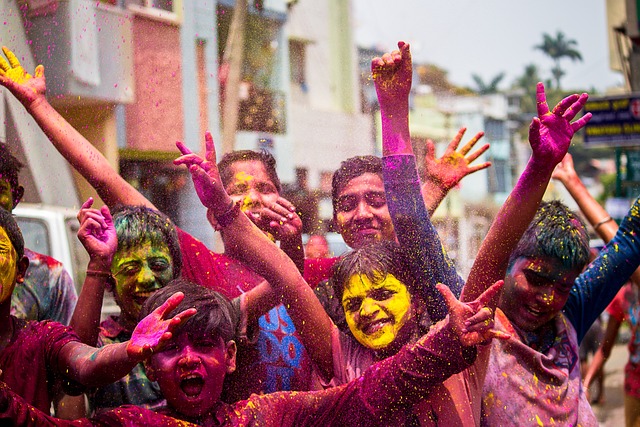
The Hindu festival that signifies colours, love and the season of spring, Holi is often known for its gulal (coloured powder paint) throwing parties. Taking place on Friday 14th March this year, it’s becoming more and more popular with Londoners.
One of the events is the Holi Colour Dance Party at Rose Gardens in Waterlow Park, Highgate, courtesy of Magic of India, an organisation championing Indian culture. Drummers, a DJ, dancers, a live band, street food stalls and more will take over the outdoor space on the 16th of March from 12pm to 5.30pm, with a signature packet of powder colour given to everyone in attendance too.
Magic Of India: Holi Colour Party
Where: Rose Gardens, Waterlow Park, Highgate, N6 6PL
Today, 11 March 2025, is EU Day of Remembrance for the Victims of Terrorism.
The event will honour the victims of terrorism across Europe and promote solidarity against extremism. The aim of the Remembrance Day event is to increase awareness and support for victims of terrorism, fostering unity and resilience across EU Member States.
The main ceremony is being held in Strasbourg, France, but there will be other events across Europe.
Although this is an EU event, I feel that it is something worth remembering.
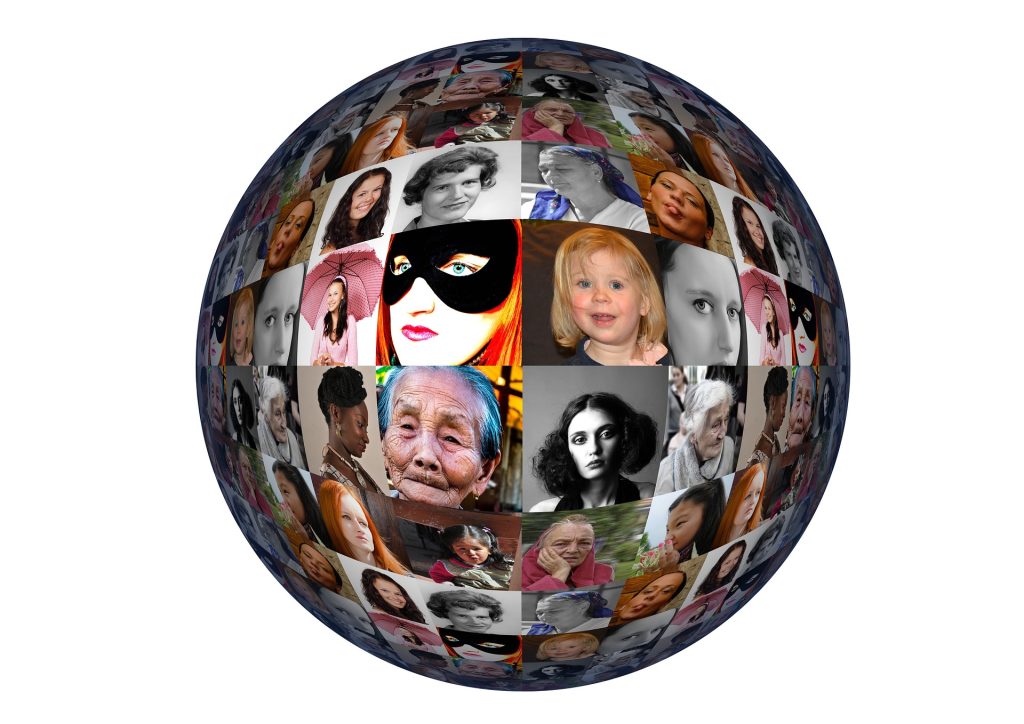
Today, 8 March, is International Women’s Day (IWD). This day celebrates the achievements of women, and also calls for equality between men and women.
One of the early feminist philosophers, in the 1700s, was Mary Wollstonecraft (1759-1797), who spent the last months of her life in Somers Town.
She is best known for A Vindication of the Rights of Woman, published in 1792. She argues that women are not naturally inferior to men, but are only held back by lack of education. She suggests that both men and women should be treated as rational beings. These were radical ideas for the time.
Mary also lived an unconventional lifestyle. When she was 15, she met Fanny Blood, who seems to have been the love of her life. Mary and her sisters, and Fanny, set up a school in Newington Green which included accomodation for women and their children. This school failed in 1785 when Fanny married and moved to Portugal, and Mary left to nurse Fanny during her pregnancy. Mary was devasted when Fanny died in childbirth.
In 1787 Mary decided to make a career as a writer, another radical move for a woman at th time. She spent a lot of time in France between 1790 and 1795, observing on the progress of the French Revolution. While in France she had an affair with American adventurer Gilbert Imlay, and had a daughter, Fanny (named after her dead friend), in 1794.
in 1796, Mary started a relationship with philosopher William Godwin, and they got married in early 1797, after which they moved into a flat in the Polygon Building , Somers Town. The building no longer exists, but it is remembered in Polygon Road.
Later in 1797 Mary gave birth to a second daughter, also called Mary. Mary Wollstonecraft died from an infection as a result of the birth. She was buried in the churchyard of St Pancras Old Church, where there is still a memorial to her.
Mary Wollstonecraft Godwin’s remains were moved to Bournemouth in 1851.
Mary’s daughter Mary would later marry the poet Percy Bysshe Shelley, and, as Mary Shelley, became famous as the author of Frankenstein.
By coincidence, Muslim Ramadan is happening at the same time as Christian Lent.
Lent was originally a time of fasting and prayer for forty days (plus Sundays) before Easter, a time of penance leading up to the commemoration of the death and resurrection of Jesus Christ. Although some people today “give up something for Lent” like watching television, in earlier days it was much stricter.
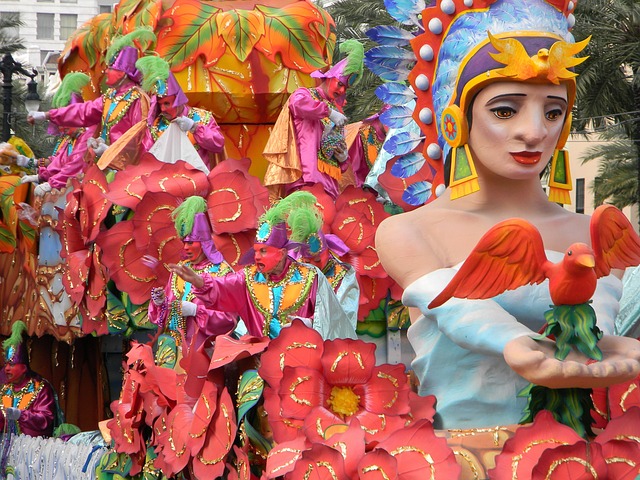
It was common to give up meat, eggs and dairy during Lent, so you had to use up the rich food before Lent or else it would go to waste. So there developed “Pancake Tuesday” where the eggs, milk and butter were used in making pancakes. There also developed “Mardi Gras” (“fat Tuesday”) where there was a party with rich food and celebration before the good behaviour during Lent. Mardi Gras is a bit different today!
The Tuesday before Lent was a good day to confess sins and get absolution, a process known in older days as “shriving”. From this we get the name Shrove Tuesday.
The first day of Lent is known as Ash Wednesday, and people have a cross symbol made from ashes marked on their forehead. It symbolises life and death – “from ashes to ashes and dust to dust.”
It is Ramadan, the time of year where all Muslims fast during the day, pray, and meet with family and friends at night.
It is a time of reflection, a time of cleansing, and a time of patience and self-discipline.
If you would like to support Muslim friends at this time of year, then it is appreciated if you don’t eat or drink in front of Mulsim friends and colleagues while they are fasting.
For all our Muslim friends: Ramadan Mubarak (blessed Ramadan)
Canal Cavalcade, Little Venice, 2019. Photo courtesy of dperris.
Camden Council want to include all the canal boats in a new Smoke Control Order.
Starting in the 1950s, parts of Camden were designated as “smoke control areas” with restrictions on smoke from chimneys.
Since 2000, the entire borough has been designated as a smoke control area, with it applying to every building in Camden. The boats on the canal were explicitly excluded from this.
Until 20 March 2025, there is a consultation open for comments on the proposal to now include all the boats on the canals.
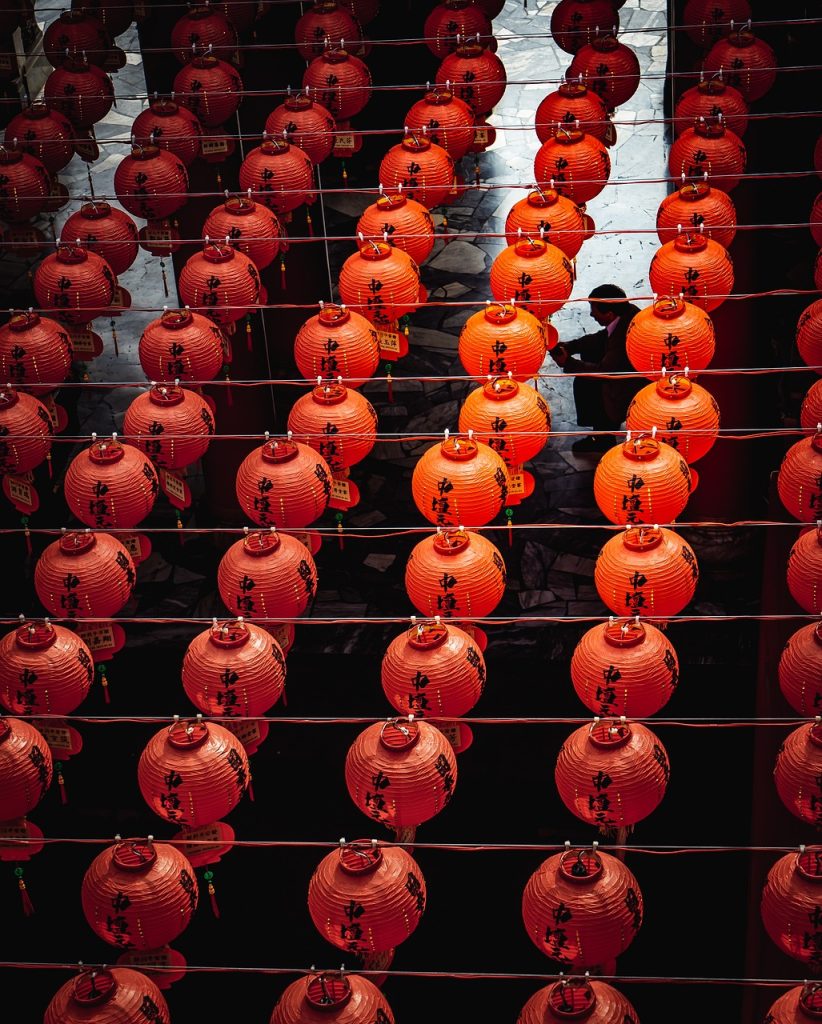
Wednesday 29 January marks the start of the Lunar New Year, also known as Chinese New Year.
2025 will be the Year of the Snake. The snake symbolises wisdon, thoughfulness and intuition.
In London, the main focus of celebrations will be in Chinatown, with lion dance performances on Saturday 01 February. The main parade will happen on Sunday 02 February, with what is said to be the largest collection of Chinese lions and dragons in Europe.
More events will occur in Trafalgar Square and in Leicester Square.